

Learning Software Engineering in the Era of AI: Raymond Fu’s Perspective on the Future of Engineering
4 min read • 12 views
Unknown Author
May 25, 2026
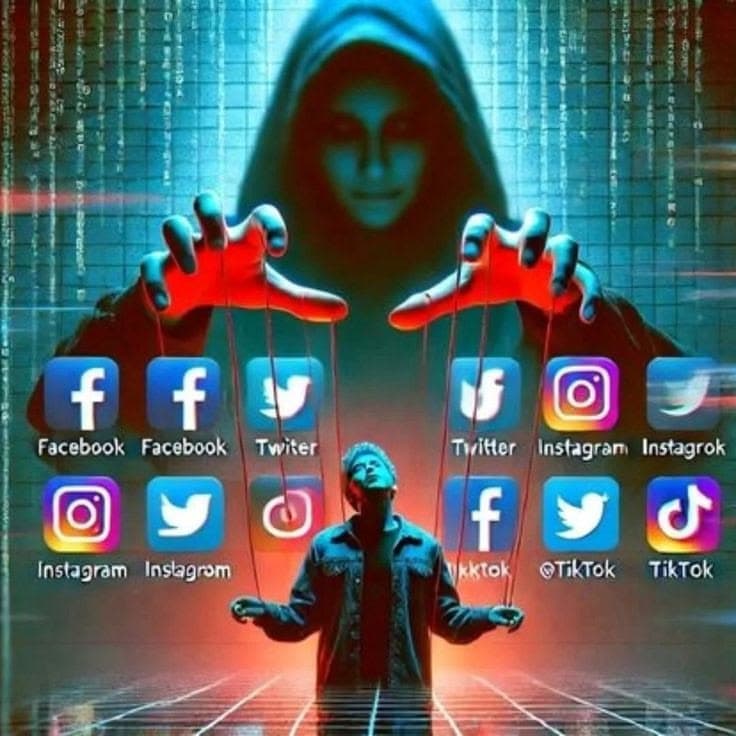
Recently, many people claim they can build a software application in a day or a week, while others insist they no longer need software developers because they can simply prompt AI. Artificial Intelligence has become one of the most disruptive forces in modern technology. Across industries, AI tools are changing how people work, create, and solve problems. In software engineering especially, the rapid growth of AI has raised an important question: if machines can now generate code, is it still worth learning software engineering?
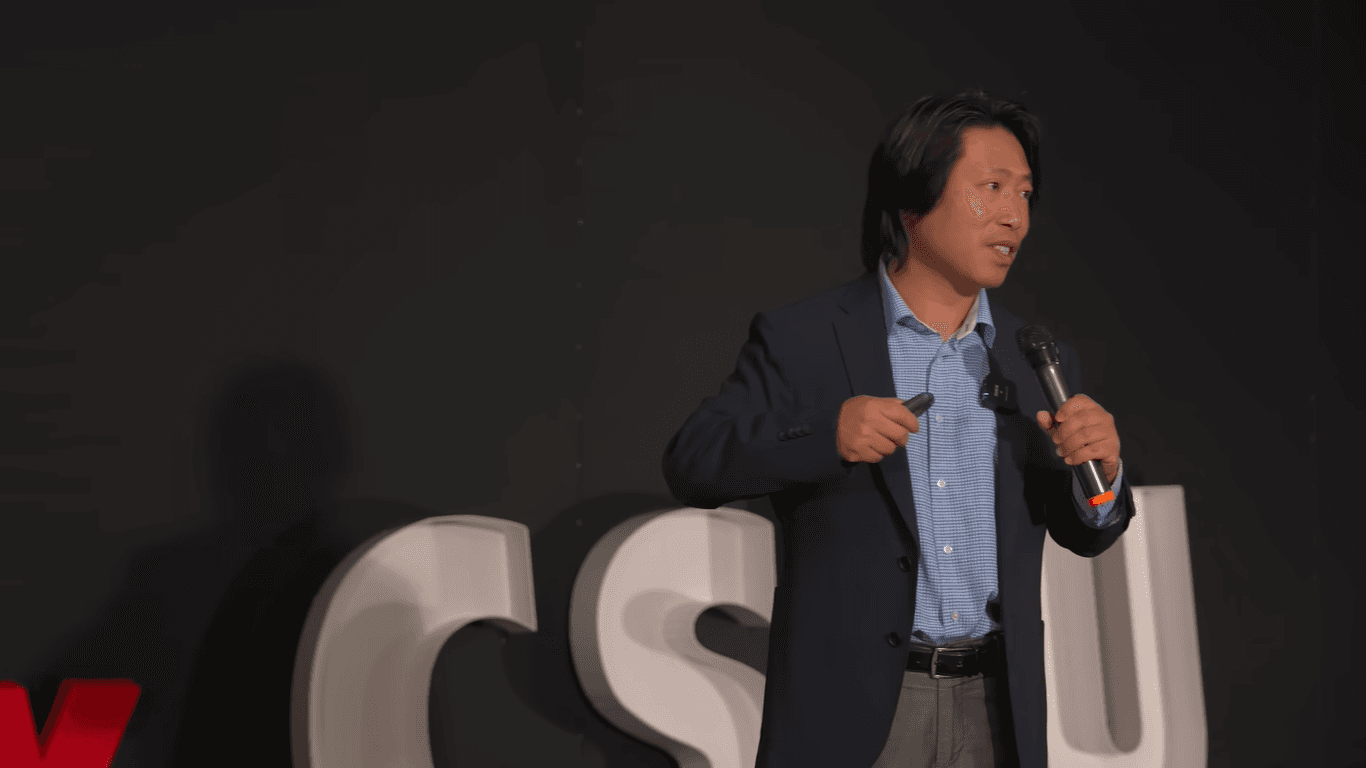
This question is explored by Raymond Fu in his TEDx talk, Learning Software Engineering During the Era of AI. Rather than presenting AI as a threat to engineers, Fu offers a different perspective. He argues that software engineering is not becoming obsolete. Instead, it is evolving, and the skills that make great engineers valuable are changing.
According to Raymond Fu, many people misunderstand what software engineering actually is. They often assume software engineering simply means writing code. Under that assumption, the emergence of AI coding tools appears threatening because these systems can now generate programs, debug errors, and automate repetitive development tasks.
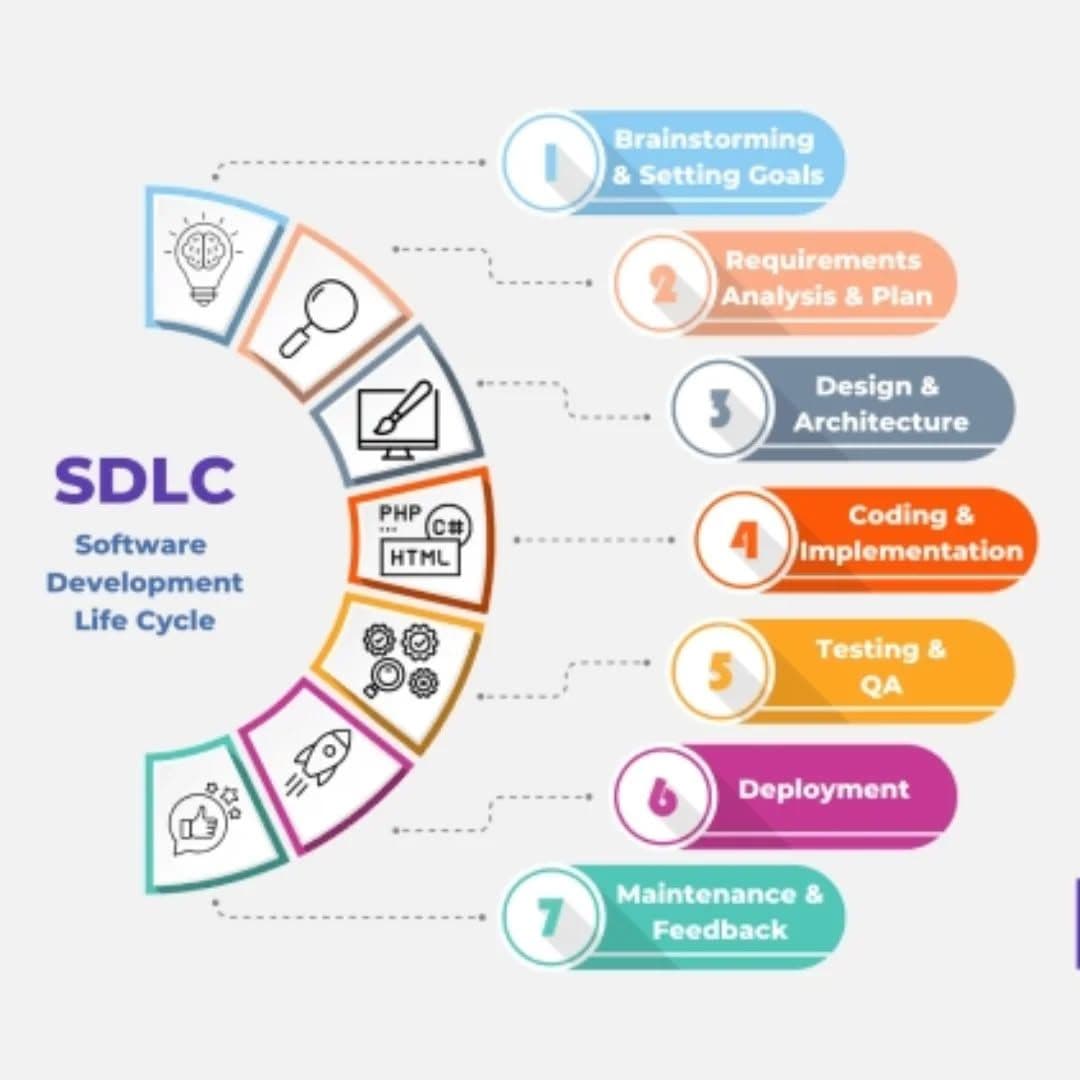
However, Fu explains that coding and software engineering are not the same thing. Coding is only one component of engineering. Software engineering involves understanding problems, designing solutions, evaluating trade-offs, managing complexity, collaborating with teams, and creating systems that continue delivering value over time. AI may accelerate code production, but it does not replace the broader responsibilities of engineers.
Today, developers can use AI to generate templates, write functions, translate between programming languages, explain unfamiliar code, and assist with debugging. Activities that previously consumed hours can sometimes be completed in minutes.
At first glance, this creates understandable concern. If AI can write software faster than humans, where does that leave future engineers? Raymond Fu argues that this question misses the real point. The objective of software engineering has never been to produce code as quickly as possible. The objective has always been to solve meaningful problems using technology.
Code is simply one of the tools. The actual value of engineers comes from making decisions that machines cannot reliably make. Software projects rarely operate under perfect conditions. Businesses change priorities. Customers behave unpredictably. Teams encounter constraints. Markets evolve. New requirements emerge during implementation.
These realities require interpretation and judgment. AI performs best when patterns already exist and problems are clearly defined. Human engineers remain essential when environments are uncertain and solutions require context.
According to Fu, engineers must therefore develop capabilities that extend beyond technical execution. One of his central messages is that future engineers should think more like problem solvers and system designers rather than code producers.
This shift changes how students and professionals should approach learning. For many years, software education focused heavily on syntax, language mastery, and technical implementation. Success was often measured by the ability to write efficient code quickly.
In the AI era, that model is becoming incomplete. Raymond Fu suggests that higher-order skills are becoming increasingly valuable. Engineers must learn to break down problems, communicate ideas clearly, evaluate alternatives, and understand how technical decisions affect real users and businesses.
Technical knowledge still matters.
In fact, understanding software fundamentals becomes even more important because engineers must validate AI-generated outputs and recognise when automated systems produce flawed results.
An engineer who relies entirely on AI without understanding software principles risks becoming dependent on tools they cannot properly evaluate.
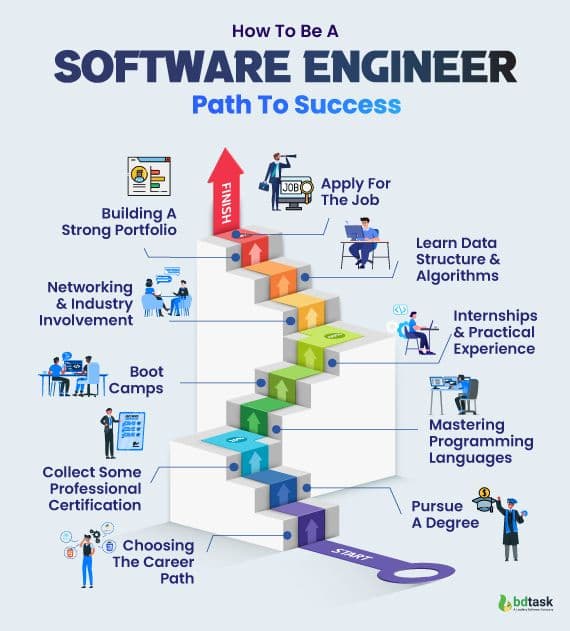
Fu’s message is not that people should stop learning programming. Instead, people should learn programming with a broader purpose. Students should build projects, strengthen analytical thinking, learn architecture concepts, and understand how technology creates value.
Equally important, they should develop human skills.
Communication.
Collaboration.
Leadership.
Adaptability.
These abilities remain difficult to automate and increasingly determine long-term career growth. Software engineering has always been a discipline built around people as much as technology. Engineers work with users, managers, designers, executives, and communities. They translate needs into solutions and align technical execution with practical outcomes. AI may assist that process, but it does not replace human responsibility.
Raymond Fu’s TEDx talk ultimately presents an optimistic view of the future. The rise of AI does not mean the end of software engineering. Instead, it signals the beginning of a new era where engineers can move beyond repetitive work and focus more deeply on creativity, decision-making, and meaningful innovation.
The engineers who thrive in this era may not be those who write the most code. They may be the ones who understand problems most deeply and know how to combine human judgment with intelligent tools to build solutions that matter.