



How the Internet Works: A Simple Guide for Beginners
3 min read • 17 views
Unknown Author
April 2, 2026
Introduction
The internet is formally defined as a global network of interconnected computer networks that use standardized communication protocols to exchange data.
At its core, the internet is a global network of connected computers that communicate with each other using shared rules.
Before we go deeper, let’s define a few basics:
Internet: A worldwide system of interconnected networks
Website: A collection of files hosted on a server
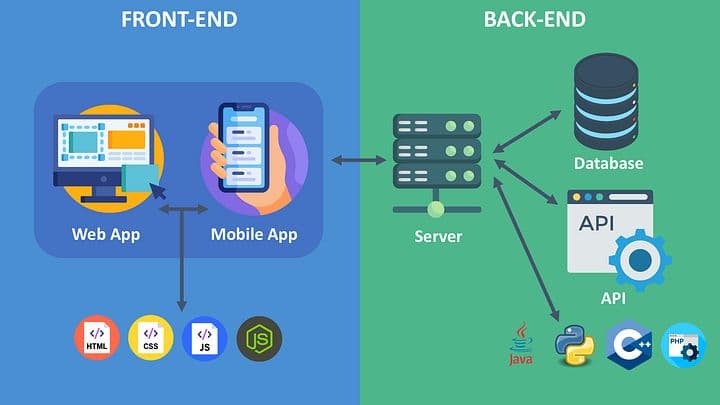
Server: A computer that stores and sends data to other computers
Client: Your device (phone, laptop) requesting data
The internet is millions of networks connected together.
Think of it like:A global highway system where data travels instead of cars

Each network could belong to:
Internet Service Providers (ISPs)
Companies
Governments
Data centers
These networks are connected through physical infrastructure like:
Fiber optic cables
Undersea cables
Routers and switches
Structure of the Internet
The internet is structured as a network of networks. This means it consists of multiple smaller networks interconnected to form a larger global system.

These networks include:
Local Area Networks (LANs)
Wide Area Networks (WANs)
Internet Service Providers (ISPs)
Communication between these networks is enabled through physical infrastructure such as fiber optic cables, routers, and switches.
Domain Names and DNS
A Domain Name System (DNS) is defined as a hierarchical and decentralized naming system used to translate human-readable domain names into IP addresses.

When a user enters a URL (Uniform Resource Locator) which is the address of a resource on the internet the DNS performs the following function:
Receives the domain name (e.g.,
example.com)Searches for the corresponding IP address
Returns the IP address to the client
This process allows users to access websites without needing to remember numerical IP addresses.
Internet Communication
Internet communication relies on standardized protocols such as HTTP and HTTPS, which enable a client (like a browser) to send requests to a server and receive webpage data in response. HTTPS enhances this process by adding encryption for secure communication.
Data Transmission
Data is transmitted using packet switching, where information is divided into smaller units called packets. Each packet contains part of the data along with addressing and sequencing details. These packets may travel through different network paths but are correctly reassembled at the destination.
Core Protocols
Security is maintained through encryption, which converts data into a coded format to prevent unauthorized access. Protocols like SSL and TLS are used with HTTPS to ensure that data exchanged between client and server remains private and secure.
At the foundation of internet communication are the TCP/IP protocols. TCP (Transmission Control Protocol) ensures reliable, ordered, and error-free delivery of data, while IP (Internet Protocol) manages addressing and routing so packets reach the correct destination. Together, they form the backbone of how the internet operates.