



It is possible to build a successful tech career without a degree?
6 min read • 12 views
Unknown Author
May 9, 2026
Introduction
A few years ago, getting into tech without a university degree was much harder. Today, things have changed. Many companies now care more about what you can actually do than where you studied. If you can build projects, solve problems, and show practical skills, you already have a chance. Although with a degree you have a little advantage over self taught individuals.
Fields like web development, cybersecurity, cloud computing, data analysis, and UI/UX design are full of people who learned online, through bootcamps, or by teaching themselves. Some started with nothing more than a laptop, internet access, and consistency.
That does not mean the journey is easy. You still need proof that you can do the work. Employers want to see effort, growth, and practical experience. This can come from personal projects, certifications, internships, freelance work, or even volunteer experience.
What Really Matters
In tech, your skills usually speak louder than your academic background. I have a cousin he is a doctor by profession but decided to follow his interest in Data science,in his case how data science and machine learning can be applied in medicine
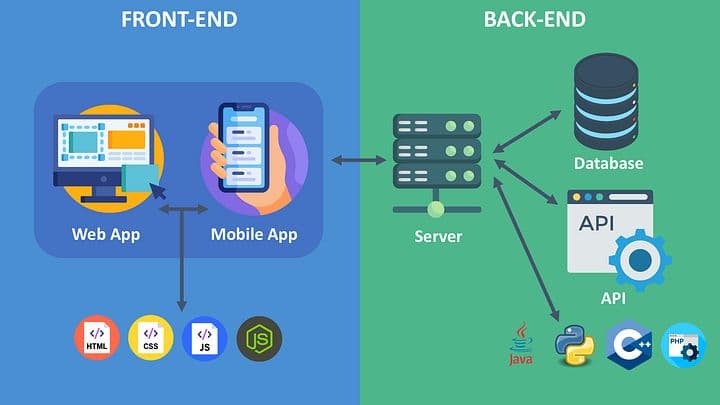
The first thing that matters is technical ability. If you want to become a web developer, for example, you need to understand tools like HTML, CSS, JavaScript, and frameworks. If you are interested in data analysis, then Excel, SQL, and Python become important.
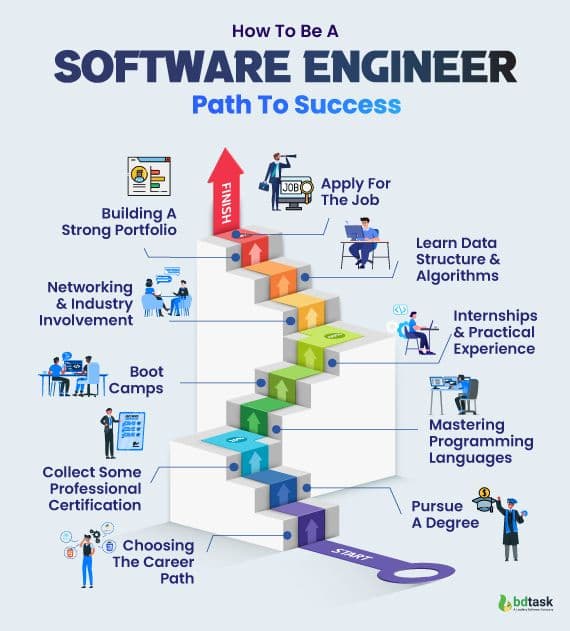
Certifications can also help, especially when starting out. Certificates from companies like Google, Microsoft, AWS, or Cisco show employers that you took time to learn seriously and complete structured training.
But one of the strongest things you can have is a portfolio. A simple website, an app, a dashboard, or even a small automation project can separate you from other beginners. Projects prove that you understand how to apply what you learned instead of only watching tutorials.
Communication matters too. In many interviews, companies are not only checking whether you know the answer, but also whether you can explain your thinking clearly and work well with others.
Where Most People Learn
One of the best things about tech is that knowledge is everywhere. You do not need to sit in a university classroom to learn valuable skills anymore.
Platforms like FreeCodeCamp are popular because they allow beginners to practice while learning. Sites like Coursera and edX offer professional and university-style courses, while MIT OpenCourseWare gives free access to real MIT learning materials.
Many people also underestimate YouTube. There are full beginner-to-advanced tutorials covering programming, design, cybersecurity, cloud computing, and almost every other tech field.
The important thing is not collecting courses endlessly. It is finishing what you start and practicing consistently.
Do You Need Paid Courses?
Not necessarily. A common mistake beginners make is spending money too early before understanding what they actually want to do. It is usually smarter to start with free resources first. Explore different areas, experiment, and discover what genuinely interests you.
Once you become serious about a specific path, then paying for a structured course, mentorship program, or certification can make sense. Paid programs can save time, provide guidance, and sometimes connect you with employers.
Still, many successful people in tech built their careers mostly through free learning resources combined with discipline and projects.
Beginner-Friendly Tech Careers
Web development remains one of the most accessible fields for beginners. It involves building websites and applications using programming languages and frameworks. It is also one of the easiest areas to showcase your skills through projects.
IT support is another strong starting point. Many people enter tech by helping businesses or users solve technical issues, then later grow into networking, cybersecurity, or cloud roles.
Data analysis is growing quickly as companies rely more on data for decisions. Beginners often start with spreadsheets, SQL databases, and visualization tools before moving into deeper analytics.
Cybersecurity is attractive because demand continues to rise. Even entry-level security roles require understanding networking, Linux, and security basics, but the field offers long-term growth.
Cloud computing is also becoming more important as businesses move systems online. Learning platforms like AWS or Microsoft Azure can open doors to support and engineering roles.
For more creative people, UI/UX design focuses on building user-friendly digital experiences. Tools like Figma are commonly used to design apps and websites.
How Long Does It Take?
There is no single timeline because everyone learns differently. For many people, learning the basics well can take around six months to one year of consistent study. Becoming truly job-ready usually takes longer because you also need projects, practical experience, and confidence.
Some people move faster because they study daily and build constantly. Others take more time while balancing school, work, or personal responsibilities. The key is consistency. Even small progress every day adds up over time.
How to Start Properly
The biggest mistake beginners make is trying to learn everything at once. Tech is huge, and jumping between many fields usually leads to confusion.
Start by choosing one direction. Maybe web development, cybersecurity, data analysis, or design. Focus on understanding the fundamentals first before chasing advanced topics.
After learning the basics, begin building projects immediately. Even simple projects matter because they help you apply what you learn. Upload your work to GitHub and slowly create a portfolio that shows your progress.
As you improve, look for opportunities to gain real experience. Freelance gigs, internships, volunteer projects, or beginner jobs all help you grow faster.
Networking also matters more than many people realize. Platforms like LinkedIn can help you connect with other learners, recruiters, and professionals in the industry.
Most importantly, keep learning. Technology changes constantly, and the people who grow in tech are usually the ones who stay curious and adaptable.
Conclusion
Building a tech career without a degree is no longer unusual. What matters most today is whether you can learn, practice, and solve real problems. The journey takes patience and consistency, but it is possible. If you focus on one path, build real projects, and keep improving your skills over time, you can create real opportunities for yourself in the tech industry even without a university degree.