

Popular SDLC Methodologies ( Agile and Waterfall)
4 min read • 17 views
Unknown Author
April 7, 2026
Introduction
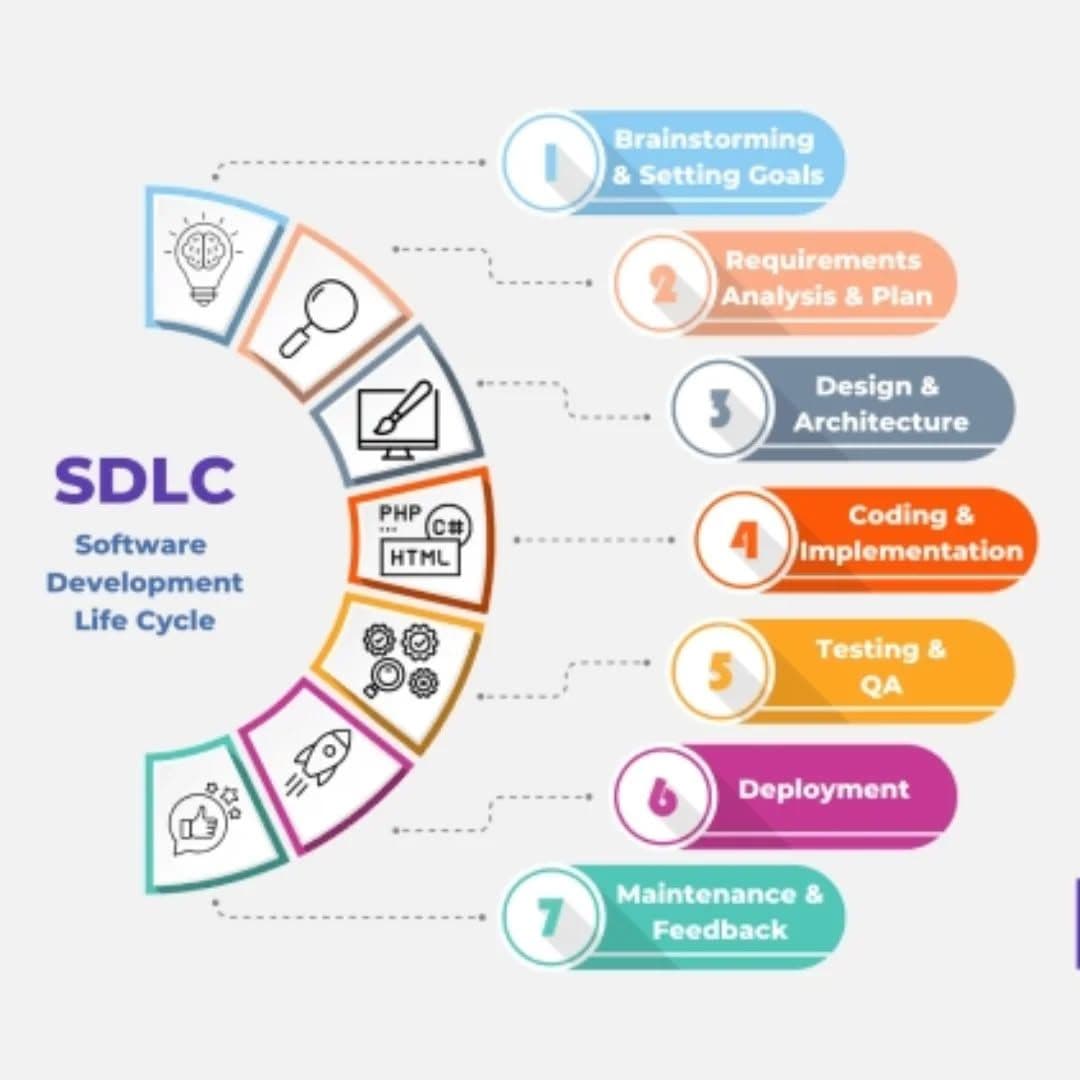
SDLC methodologies are systematic frameworks that guide the creation, testing, and deployment of software through defined phases and principles. In plain language, think of them as blueprints for building a house: Waterfall is like following a fixed architectural plan step-by-step, whereas Agile is like constructing in small, adjustable sections while getting feedback from future occupants along the way. These methods ensure projects stay on track, reduce errors, and deliver value, assuming no prior knowledge of software processes.
Understanding Waterfall: The Sequential Giant
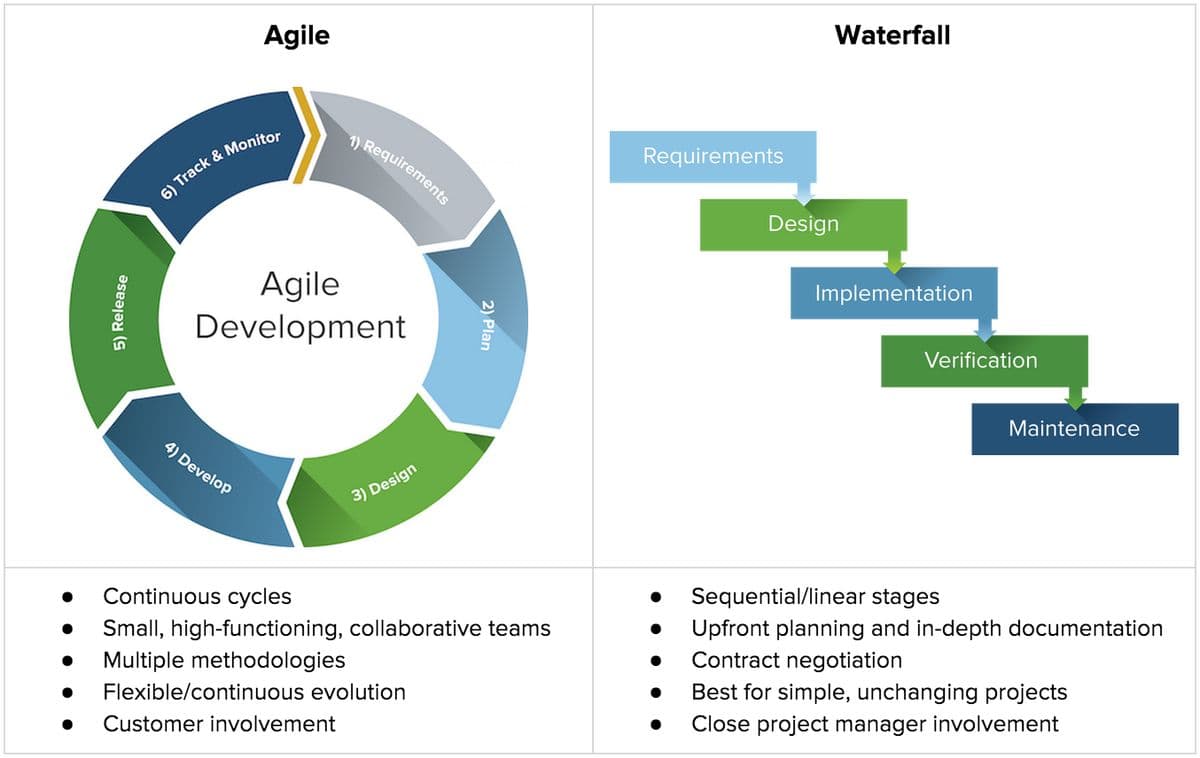
Waterfall, introduced by Winston Royce in 1970, structures development into distinct, non-overlapping phases: requirements gathering, system design, implementation, testing, deployment, and maintenance. Each phase must be 100% complete before the next begins, much like a waterfall cascading downward there's no easy way back up. This model excels in environments with well-defined, unchanging requirements, such as regulated industries like aerospace or banking, where comprehensive documentation is mandatory. For instance, developing a payroll system for a government agency might use Waterfall because altering specs mid-project could be costly and legally complex. Tools like Microsoft Project help manage timelines, producing Gantt charts that visualize phase durations. A suggested diagram: a vertical flowchart with arrows pointing strictly downward from "Requirements" to "Maintenance," highlighting the one-way flow.

Key advantages include predictability in budgeting and scheduling, as everything is planned upfront. However, its rigidity means discovering a flaw in requirements late (e.g., during testing) requires restarting earlier phases, potentially delaying projects by months. Critics note it doesn't accommodate evolving user needs well, which is common in today's fast-paced tech landscape.
Mastering Agile: Flexibility in Action
Agile emerged from the 2001 Agile Manifesto, authored by 17 software leaders frustrated with rigid processes. It emphasizes four core values: individuals and interactions over processes and tools; working software over comprehensive documentation; customer collaboration over contract negotiation; and responding to change over following a plan. Work is divided into sprints time-boxed iterations typically lasting 1-4 weeks where teams tackle items from a prioritized product backlog, a dynamic list of features ranked by business value. Daily stand-up meetings (15 minutes) keep everyone aligned, answering: What did I do yesterday? What will I do today? Any blockers?

Real-world example: Spotify organizes into "squads" (small, autonomous teams) using Agile's Scrum variant, releasing features weekly and iterating based on user data. Tools like Jira, Trello, or Azure DevOps facilitate this with Kanban boards visual columns showing tasks progressing from "Backlog" to "In Progress" to "Done." Another flavor, Kanban, limits work-in-progress to prevent overload, visualized as a board with capacity caps.
Agile shines in uncertain environments like startups or mobile apps, where user feedback refines products rapidly. Drawbacks include potential scope creep if backlogs aren't managed and a reliance on experienced teams for self-organization.
Comparing Methodologies
Waterfall is a linear and structured approach where each phase is completed before moving to the next, making it predictable but inflexible. Changes are difficult and costly once development has started, and the final product is usually delivered at the end. It works best for projects with fixed requirements and strict regulations, especially in large, hierarchical teams.
Agile, on the other hand, is iterative and flexible, allowing work to be done in short cycles with continuous feedback and improvements. Changes are easily accommodated, and features are delivered frequently throughout the project. It is ideal for dynamic, fast-changing environments and smaller, collaborative teams focused on innovation.
Real-World Adoption and Tools
In 2026, surveys show Agile adopted by over 70% of organizations, per State of Agile reports, while Waterfall lingers in 20% of legacy systems.
conclusion
Agile and Waterfall equip you to thrive in diverse tech roles, where choosing the right methodology can cut project failure rates from 30% to under 10%. They matter because software powers everything from banking apps to health trackers mastering them means delivering reliable solutions that evolve with user demands in a competitive job market.