


Web3: What It Is, How to Use It, and Its Pros and Cons
3 min read • 33 views
Unknown Author
April 15, 2026
What Is Web3?
Web3 is the next stage of the internet focused on decentralization, ownership, and user control.
Instead of big tech companies controlling platforms and data, Web3 lets users own their digital identity, assets, and even parts of the platforms they use.
It’s often called the “read–write–own” web because people can:
Read content (like today)
Create and share content
Own digital assets and participate in platforms
What Powers Web3?
Web3 is built on a few key ideas:
Blockchain technology
Secure, transparent systems that record transactions and ownership.Decentralized apps (dApps)
Apps that run on blockchain networks instead of centralized servers.Crypto wallets
Tools that act as your login, identity, and payment method.Tokens and digital assets
Cryptocurrencies and NFTs that represent value, ownership, or access.
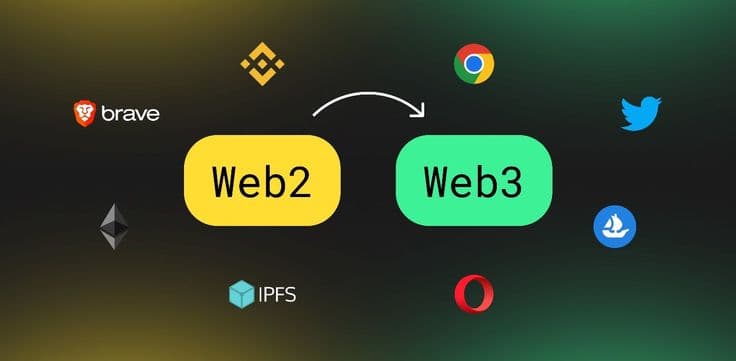
How Is Web3 Different from Web2?
Web2 (today): Platforms control your data (e.g., social media)
Web3: You control your data, identity, and assets
How Do People Use Web3?
1. Get a Wallet
Users install a crypto wallet (like MetaMask or Trust Wallet).
Stores digital assets and keys
Acts as your login across Web3 apps
2. Use dApps
Instead of logging in with email/password, you connect your wallet.
You can:
Trade tokens
Buy or sell NFTs
Play blockchain-based games
3. Earn and Participate
Web3 allows users to be more than just consumers.
Earn tokens (through staking, games, or contributions)
Join communities (DAOs) and vote on decisions
Creators can sell directly to their audience
4. Stay Secure
Users often take extra steps to protect their assets:
Keep recovery phrases offline
Use hardware wallets
Add privacy tools like VPNs or secure browsers
Web3 = Wallet → dApp → Interaction → Ownership
Advantages of Web3
User ownership and control
You can truly own digital items (coins, tokens, NFTs, and sometimes shares of platforms), not just rent access from a company
Data and identities are less concentrated in a few corporate servers, reducing a single point of control
Permissionless access and global finance
Anyone with an internet connection can access DeFi, lending, and trading without bank approval, which is powerful for unbanked or under‑banked regions.
Cross‑border payments can be faster and cheaper, cutting out many traditional intermediaries.
Transparency and trustlessness
Smart‑contract logic and transaction histories are usually public and auditable on the blockchain, reducing hidden manipulation.
Users can verify that a platform follows its own rules without needing to fully trust a central operator.
New business models and incentives
Creators and communities can monetize directly via tokens, NFTs, and governance, rather than relying only on ads or platform fees
DAOs let communities collectively own and steer projects (open‑source protocols, games, or investment funds).
Disadvantages and Risks of Web3
Complexity and security risks
Web3 is still hard to use for non‑tech users; one mistake (wrong network, lost seed phrase, phishing‑site scam) can mean permanent loss of funds.
Smart‑contract vulnerabilities and centralized‑looking points (exchanges, bridging services) remain targets for hackers.
Scalability and cost issues
Many blockchains are slow and expensive during high demand, making small transactions or frequent use impractical for some users.
Users often pay “gas fees” that can spike unpredictability
Regulatory and legal uncertainty
Governments are still figuring out how to regulate tokens, DeFi, and NFTs, which can create uncertainty for businesses and users.
Some jurisdictions may restrict or ban certain Web3 activities, limiting access in specific regions.
Privacy and anonymity concerns
Although pseudonymous, blockchain transactions are often public and traceable, which can expose user behavior if real‑world identities are linked.
Criminals can exploit anonymity for money‑laundering or scams, drawing stricter surveillance and KYC rules.
Centralization pressures
Despite the “decentralized” vision, many Web3 platforms depend on a few big wallets, exchanges, or infrastructure providers, re‑creating central control in practice.
Conclusion: Is Web3 Worth It?
Web3 is not “ready” for everyone, but it offers real benefits in ownership, open finance, and transparent systems. At the same time, it comes with higher risk, complexity, and uncertainty than today’s mainstream internet.