


Why C, C++, and Java Are Still Taught First in Colleges
4 min read • 21 views
Unknown Author
April 20, 2026
Introduction
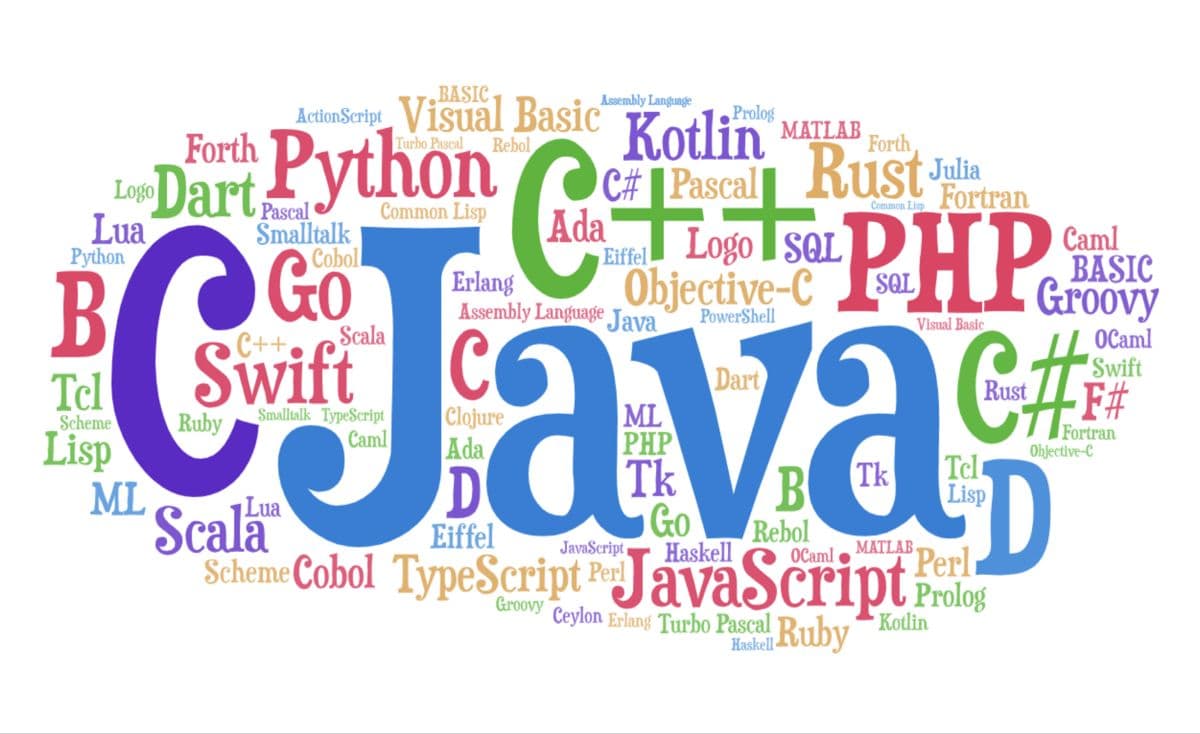
Computer‑science students around the world often start their journey with C, C++ or Java not with the languages that dominate modern web or AI development. This pattern can seem strange when you see job ads glowing with Python, JavaScript, and Go. But there’s a method to this “old‑school” approach. Understanding why these three languages remain first choices reveals how universities aim to build deep, lasting foundations, not just quick‑and‑easy skills.
1. The mind‑shaping effect of C
C is often called a “systems language” because it sits very close to the hardware. Many universities use it early because it forces students to see how computers really work. Instead of hiding behind automatic memory management and high‑level abstractions, learners must deal with:
Pointers and memory addresses.
Manual allocation and deallocation (
mallocandfree).Stack vs heap, function calls, and simple control structures.
This “hardcore” experience makes it easier later to understand what languages like Python or JavaScript are actually doing under the hood. When a student writes my_list.append(x) in Python, a background in C helps them picture memory, arrays, and pointers behind that one line.
In engineering and embedded‑systems tracks, that closeness to the machine is not theoretical it’s directly useful for writing firmware, operating‑system code, or performance‑critical tools. So even though C is not the “coolest” language on social media, its role as a mental trainer keeps it in first‑year curricula.
2. C++: power, performance, and object‑orientation
C++ sits between C and higher‑level languages. It keeps the speed and control of C while adding object‑oriented programming (OOP) features like classes, inheritance, and polymorphism. Many universities use C++ to:
Teach data structures and algorithms in a performance‑conscious way.
Introduce OOP concepts that are then reused in languages like Java or C#.
Prepare students for domains where speed matters: game engines, embedded systems, and low‑level libraries.
Because C++ can be both very close to hardware and highly abstract, it serves as a “bridge” language. Learners who wrestle with C++ often find that later switching to Java or even Python feels easier, because the core concepts objects, memory, and design patterns have already been drilled in rigorously. That’s why C++ remains common in CS‑1–CS‑2 sequences, especially in programs that emphasize systems and performance.
3. Java: clean, safe, and widely used
Java is less “raw” than C or C++ but still very structured. It became a favorite in university teaching for several reasons:
Simple, readable syntax that focuses on object‑orientation.
Automatic memory management (garbage collector), which reduces simple crashes while still exposing algorithms and data structures clearly.
Cross‑platform runtime (JVM), so labs with different operating systems can all run the same code.
For many years, Java was the dominant first language at top‑ranked universities, especially in large‑scale CS programs and exams like AP‑level computer science. Even though Python has now overtaken Java in popularity as an introductory language in some circles, Java still matters because it underpins a lot of enterprise software, Android development (in older codebases), and many standard exams.
From a teacher’s perspective, Java offers a “middle ground”: it’s high‑level enough to avoid overwhelming beginners with memory errors, but structured enough to enforce disciplined thinking about classes, interfaces, and design.
conclusion
If you’re a student in Kenya or another country with a similar system, here’s how to think about this:
C/C++ help you understand how code becomes machine behavior. This is especially useful if you’re interested in cybersecurity, operating systems, or embedded devices.
Java is still widely used in enterprise systems, exams, and some Android work, so knowing it can open entry‑level opportunities and help you score well in standardized CS courses.
Python and other modern languages are increasingly the “first language” for data science and AI, but they often hide complexity that C/C++/Java force you to face directly.
So the takeaway isn’t that you must only know C/C++/Java. It’s that these languages give you a deeper understanding of why modern tools work the way they do. If you can later layer Python, JavaScript, or Go on top of that foundation, you’ll be able to:
Debug faster.
Choose better tools for a given problem.
Design cleaner, more efficient systems.
In short, colleges teach C, C++, and Java first because they build a rigorous, hardware‑aware mindset and fit well into long‑established curricula. They may not look like the “hottest” languages on LinkedIn, but they’re still powerful tools for turning a curious student into a grounded, thoughtful programmer.