


How to Start a Career as a Software Engineer (2026 Roadmap)
4 min read • 9 views
Unknown Author
April 20, 2026
Introduction
Software engineering remains one of the most in-demand and rewarding careers in 2026. With the right mindset, structured learning, and hands-on practice, anyone can build a strong path into this field. Whether you study formally or take a self-taught route, the key is mastering fundamentals, building projects, and gaining real-world experience.
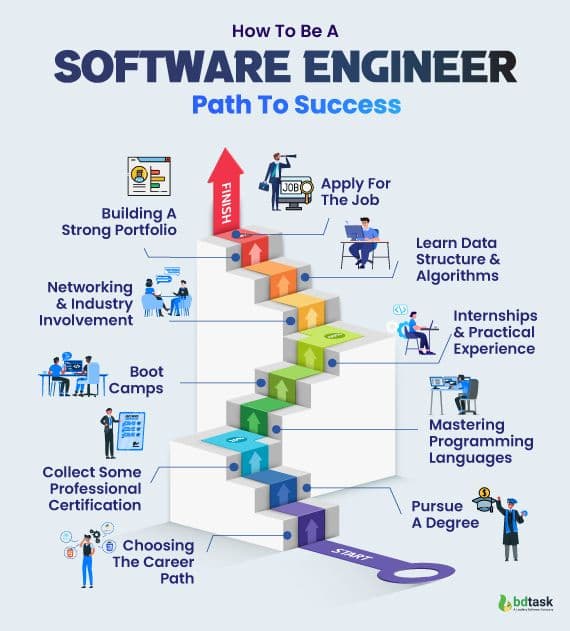
1. Earn a Bachelor’s Degree (or Equivalent)
A bachelor’s degree in Computer Science, Software Engineering, or a related field is still one of the most common paths into software engineering. Core subjects like Data Structures, Algorithms, Web Technology, Computer Networks, Mathematics, Database Systems, and Programming Languages give students a solid foundation in how software is built and maintained.
However, a computer science degree is not compulsory. Many people break into software engineering through coding bootcamps, online courses, or structured self-study programs. Well-designed bootcamps help you learn computer science fundamentals and build small but practical software projects, which can be enough to land an entry-level software developer role.
2. Learn at Least One Programming Language
Despite AI coding and "vibe coding" trends in 2026, becoming proficient in programming languages is essential for any software engineer. The demand for skilled engineers is high, and mastering one or more languages helps you stand out in the job market.
Start with one strong language,programing in C,C++,Java and python go deep, and then expand to others.
For each language, focus on syntax, core concepts, libraries, and practical projects. You can practice and study on platforms like GeeksforGeeks, W3Schools, and freeCodeCamp, which offer tutorials and coding exercises.
3. Strengthen Your Core Technical Skills
Beyond language syntax, software engineers need a well-rounded set of technical skills. These skills form the backbone of your career and help you tackle real-world problems effectively.
Focus on:
Data Structures and Algorithms
Object-Oriented Programming (OOP)
Version Control (especially Git)
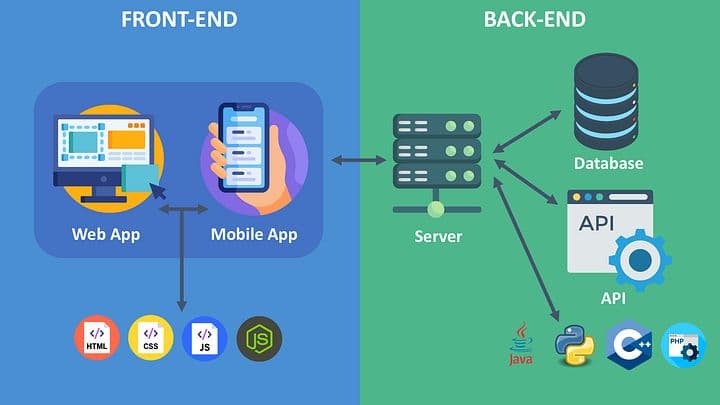
Web Development (front-end and back-end basics)
Cloud Computing (AWS, Azure, or GCP fundamentals)
Databases (SQL and NoSQL basics)
Operating Systems and Networking
Testing and Debugging techniques
API Design and Development
These skills make you more employable for a wide range of roles, from web and mobile development to data engineering and cloud-based solutions
4. Build Real Projects
Theory only gets you so far; projects prove your skills. Building projects helps you apply what you’ve learned, learn new tools, and create a visible portfolio for employers.
Start with simple but meaningful projects, then gradually move to more complex ones. Examples include:
A personal portfolio website
A task-management or notes app
A weather-fetching app using APIs
A small e-commerce or blog platform
Gradually build a portfolio that showcases your coding style, problem-solving ability, and technical depth.
5. Gain Practical Experience (Internships and Side Work)
Internships are one of the best ways to get hands-on experience in the software industry. Many companies offer internships to students and beginners, allowing them to work on real projects under mentorship.
An internship can:
Help you understand how teams build and ship software
Improve your coding, communication, and teamwork skills
Increase your chances of receiving a full-time offer
Even if you can’t get a formal internship, you can still gain experience through freelance work, open-source contributions, or part-time development gigs.
6. Start Applying for Jobs
Once you’ve built skills and a few solid projects, it’s time to apply for software engineering roles.
Create a strong resume highlighting your education, skills, and projects
Build a professional online presence (LinkedIn, GitHub, portfolio)
Network actively through meetups and online communities
Apply consistently via job boards and company websites
Many opportunities come through referrals and networking, so building relationships in the tech community is important.
Different Career Paths in Software Engineering
Software engineering is a broad field with many specialized roles. You can choose a path based on your interests and strengths.
Full-Stack Engineer – Works on both front-end and back-end
Front-End Engineer – Focuses on user interfaces
Back-End Engineer – Builds servers, databases, and APIs
DevOps Engineer – Handles deployment and system reliability
Software Engineer in Test (SDET) – Builds automated tests
Data Engineer – Manages data pipelines
Embedded Systems Engineer – Works with hardware-level software
Security Engineer – Secures systems and applications
Cloud Engineer – Focuses on cloud infrastructure
Each path requires a slightly different skill set, but all rely on strong programming and problem-solving foundations.
Conclusion
Starting a career as a software engineer in 2026 is both exciting and achievable. It combines strong technical skills, practical experience, and continuous learning.
Focus on:
Learning a core programming language well
Mastering essential computer science fundamentals
Building real projects and a portfolio
Gaining experience through internships or freelance work
Networking and applying strategically
No matter your background college, bootcamp, or self-taught consistent effort, curiosity, and a passion for problem-solving will take you far. Stay updated with industry trends and keep building.