



What Is Software Engineering?
2 min read • 6 views
Unknown Author
April 18, 2026
What Is Software Engineering?
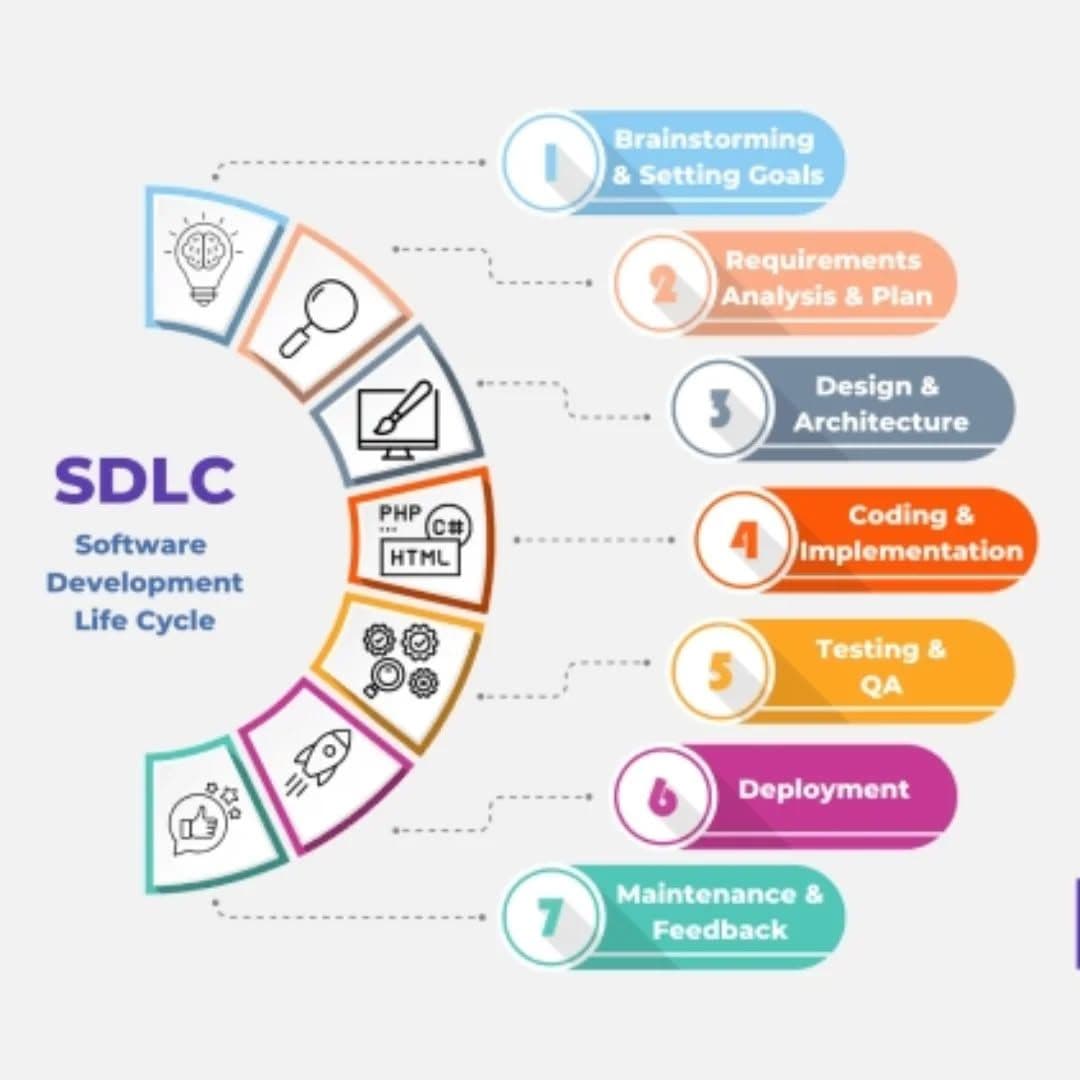
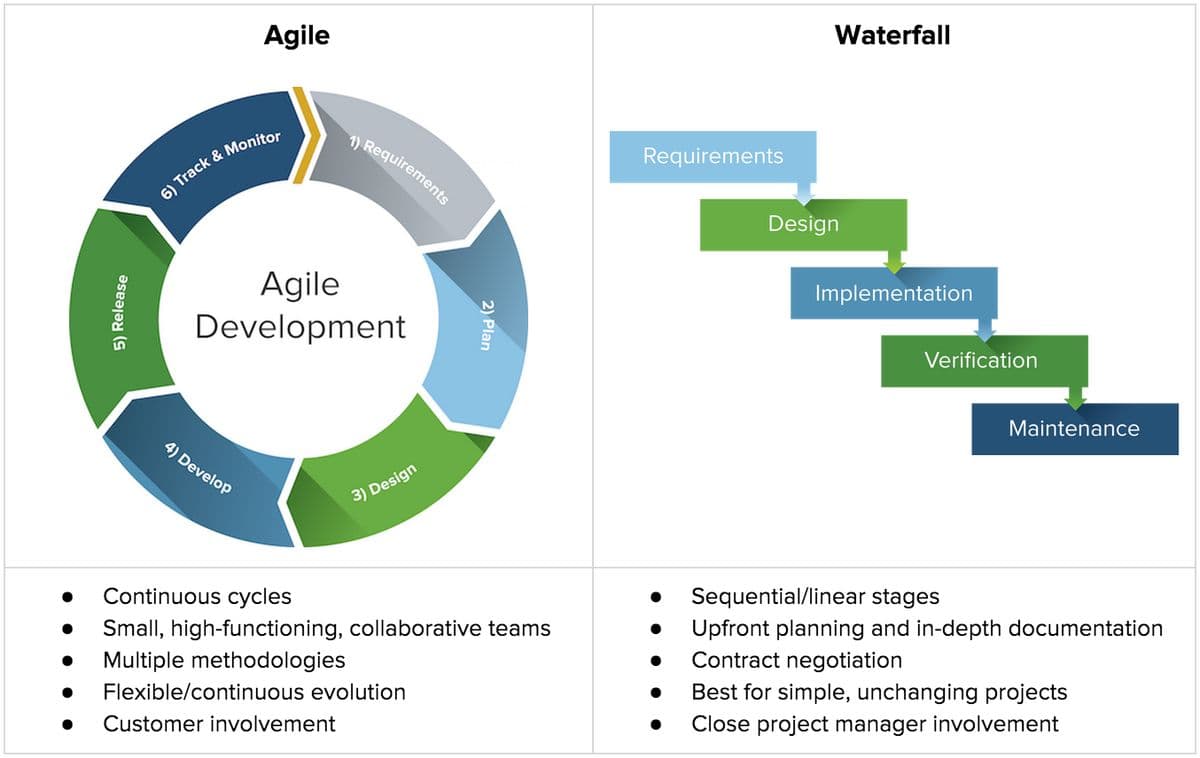
Software engineering is a major branch of computer science that emphasizes the systematic creation of software, from the initial concept all the way through deployment and ongoing maintenance. It treats software development as a structured engineering process rather than a one‑off coding task.
Engineers in this field use proven methods such as requirement analysis, software architecture design, testing strategies, and project management to build everything from websites and mobile apps to operating systems and cloud‑based platforms.
Why Is Software Engineering Important?
Modern life runs on software. Banking, smartphones, healthcare systems, transportation networks, and even election processes depend on reliable, well‑built code. Poorly designed software can lead to security breaches, system failures, or financial loss.
Good software engineering helps ensure that systems are secure, efficient, scalable, and easy to maintain. This reduces bugs and crashes, cuts long‑term costs, and improves the experience for every user who interacts with the technology.
Who Is a Software Engineer?
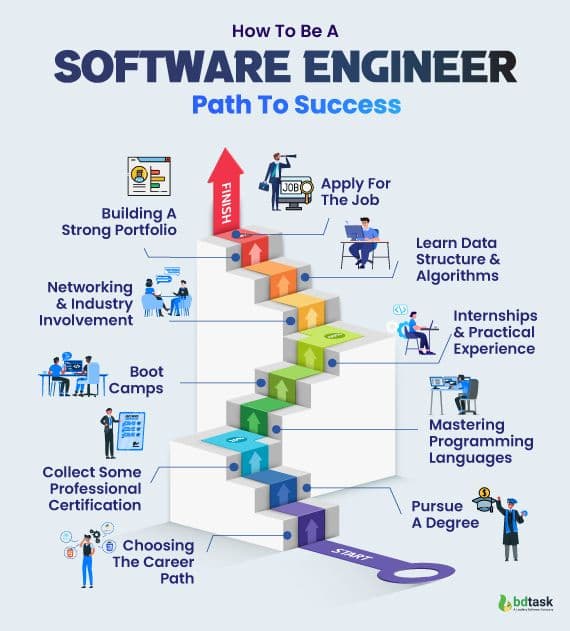
A software engineer is a professional who designs, develops, tests, and maintains software systems throughout their life cycle. These engineers combine technical skills with analytical thinking to create software that meets business and user needs.
They typically work in teams alongside product managers, designers, and testers, and may specialize in areas such as web applications, mobile apps, machine learning, cybersecurity, or data systems. Their role is not just writing code but ensuring that software is robust, maintainable, and aligned with real‑world goals.

What Kind of Work Do They Do?
The day‑to‑day work of a software engineer usually includes:
Understanding requirements: Gathering and clarifying what users or businesses need the software to do.
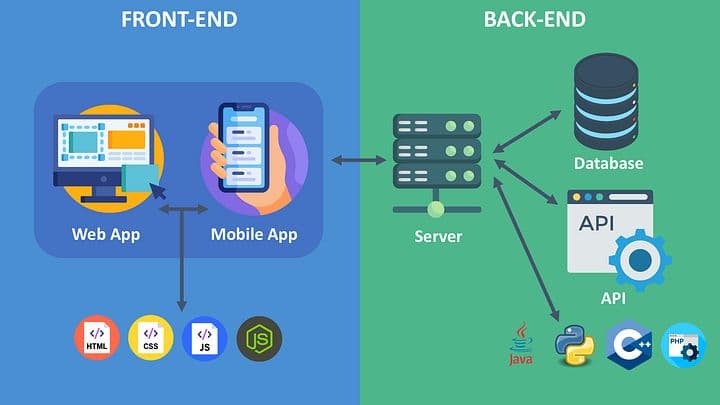
Designing and coding: Creating system architecture and writing clean, efficient code in languages such as Java, Python, or JavaScript.
Testing and debugging: Running tests, fixing bugs, and improving performance and security.
Deploying and maintaining: Releasing software to production and updating it over time.
Collaborating with others: Participating in code reviews, team meetings, and documentation to keep projects organized and high‑quality.
.